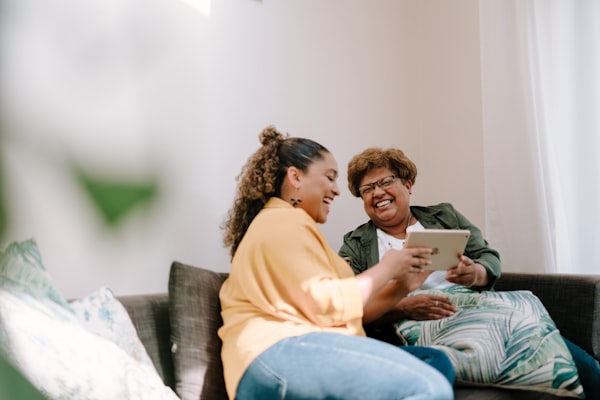
Two curves are crossing. We are standing in the space between them.
Roughly 61 million Americans are 65 or older — about 18 percent of the country, up from 12.4 percent two decades ago. Between 2025 and 2030, another 7 million will move into the 65-to-84 bracket, and the 2030s will add 5 million more over the age of 85. In eleven states, older adults already outnumber children.
Nearly all of them intend to stay exactly where they are. And they own where they are. Boomers hold roughly 36 percent of American homes and about $17 trillion of the nation's $34.5 trillion in home equity, with a homeownership rate near 80 percent. They have the house. They have the wealth stored inside it. What they do not have is a plan for who keeps it standing.
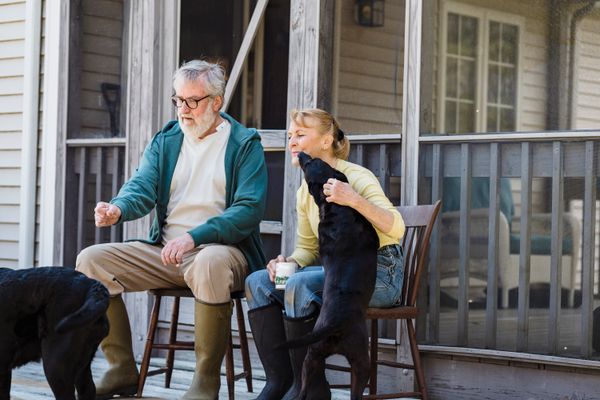
The people who would do that work are leaving the field faster than they are being replaced. Nearly 30 percent of HVAC technicians are over 55, and the average technician is 55 years old. About 110,000 HVAC positions sit unfilled today, heading toward 225,000 by 2027.
Across the skilled trades, an estimated 2.1 million jobs could go unfilled by 2030 — roughly twenty openings for every new worker entering through 2032. Care follows the same pattern. Demand for home health aides is projected to grow 17 percent this decade against a 3 percent average across all occupations. Demand is compounding. Supply is retiring.
38.2 million Americans provide unpaid eldercare, and 24 million of them do it while holding a full-time job — raising children and running a parent's household at the same time, frequently from another state.
They are doing it from a weaker financial position than any recent generation. Millennial homeownership stands at 55 percent against 80 percent for boomers. Among adults under 30, ownership has fallen from 18.5 percent in 2005 to 11.8 percent today.
So the arrangement is upside down. One generation holds the property and the equity but is losing the physical capacity to maintain it. The next generation has the capacity but neither the time, the proximity, nor the cash. Only about 10 percent of American homes are genuinely equipped for someone to age in them safely, and two-thirds of seniors say rising costs have made staying put harder.
Everyone in this picture wants the same outcome. Nobody has a mechanism to reach it.
We are the operating layer for a home that two generations are trying to hold together across distance, time, and a labor market that is running out of hands.
Trillions of dollars in housing will move from one generation to the next over the coming decades. The house is the asset being handed down. Somebody has to keep it standing, and keep the person inside it safe, during the handoff.
We manage the home, so our clients
can finally manage their lives.
For one generation, that means staying.
For the other, it means breathing.
Figures drawn from U.S. Census and Bureau of Labor Statistics data, the Federal Reserve Bank of Chicago’s elder care series, JLL’s skilled trades workforce analysis, and national home equity reporting, 2024–2026.